
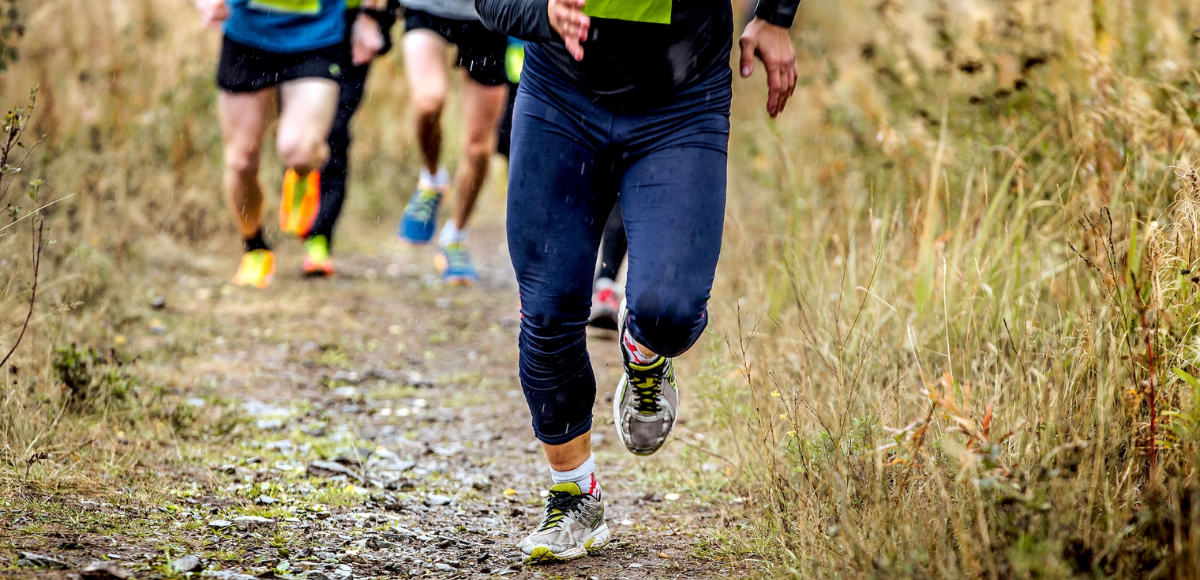
As you grow more comfortable with running, it’s time to add variety to your routes. Incorporating hills and uneven surfaces into your runs can improve strength, balance, and endurance.
The Benefits of Varied Terrain
Running on different terrains, such as trails, gravel paths, or grassy parks, engages muscles that don’t get much use on flat, paved surfaces.
- Build Strength: Hills and uneven surfaces activate stabilising muscles in your legs and core, enhancing overall strength.
- Improve Balance and Coordination: Navigating tricky trails or uneven paths helps develop better proprioception—the sense of where your body is in space.
- Prevent Burnout: Changing up your routes keeps running fresh and interesting, which can be motivating.
Tackling Hills: The Basics
Running uphill and downhill requires different techniques to maximise efficiency and minimise injury risk.
- Uphill Tips:
- Shorten your stride and keep your steps quick and light.
- Lean slightly forward from your ankles, not your waist, to maintain momentum.
- Use your arms to drive your movement, swinging them in rhythm with your legs.
- Downhill Tips:
- Stay in control by shortening your stride and landing softly to reduce impact.
- Avoid leaning too far back, which can strain your knees, or too far forward, which can throw off your balance.
- Relax and let gravity assist, but remain cautious of loose footing.
Managing Uneven Surfaces
Running on trails or uneven terrain requires extra care to avoid trips or falls.
- Watch Your Step: Keep your eyes on the path ahead to anticipate obstacles like roots, rocks, or dips.
- Adjust Your Pace: Slow down when navigating tricky sections to maintain control.
- Wear the Right Shoes: Trail running shoes with better grip and support can make all the difference when tackling uneven surfaces.
Safety Considerations
Running on hills and trails comes with its own set of risks, so preparation is key.
- Pick Familiar Routes: When starting out, choose paths or trails that are well-marked and easy to follow.
- Stay Visible: If running on shared paths or near roads, wear bright clothing or reflective gear to ensure you’re seen.
- Use Caution in Wet Conditions: Mud and wet leaves can make trails slippery, slow your pace and tread carefully.
Embrace the Challenge
Hills and uneven surfaces can be intimidating at first, but with practice, they’ll become a valuable part of your training. Start with gentle slopes and easier trails, and gradually build your confidence.